
Tracks for Asean to ride out of energy crisis and trade disruptions
BANGKOK – Filipino and Thai economists have outlined upcoming and potential Asean cooperation on energy security and trade, described as “operational reality” in a fragmented world order.
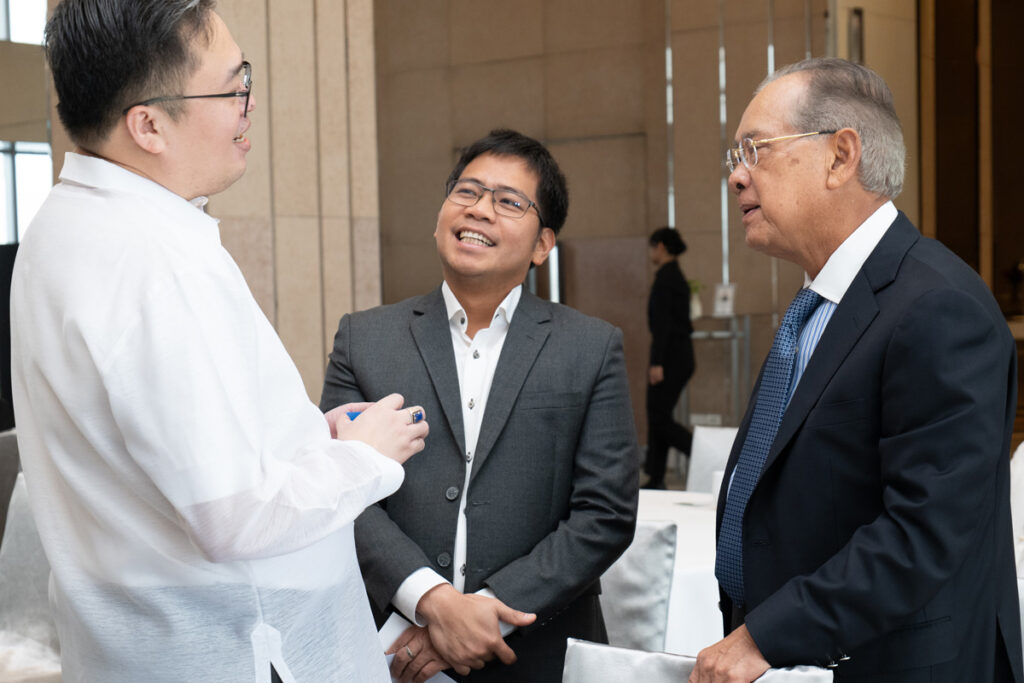
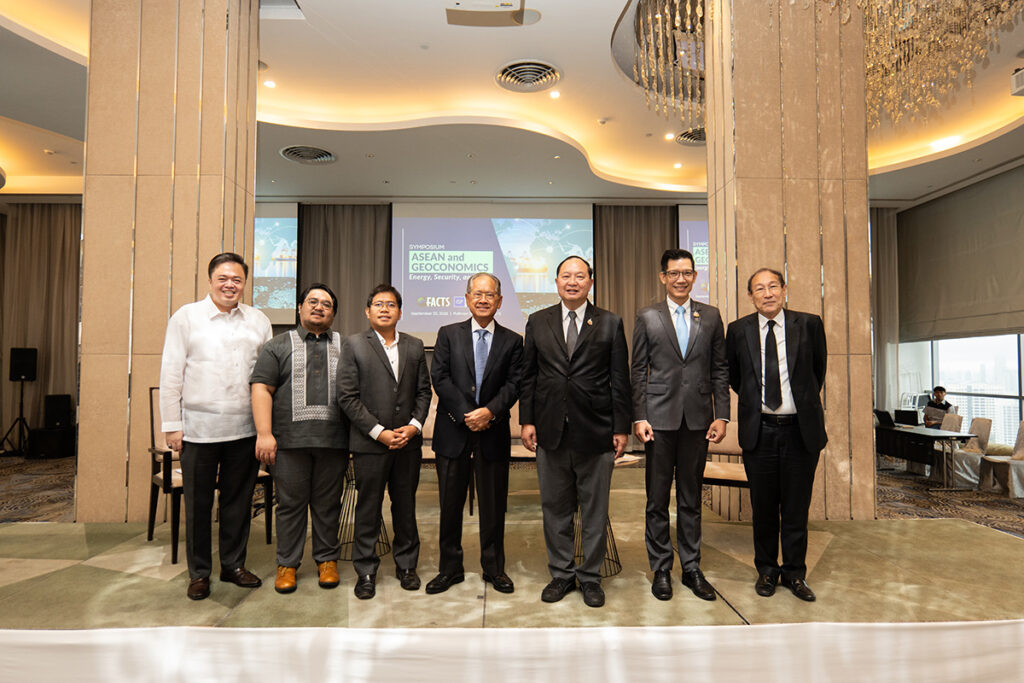
They were speaking at the Symposium on ASEAN and Geoeconomics: Energy Security and Trade, co-organised by FACTS Asia, a think tank from the Philippines and the Institute for Strategic Policy (ISP).
The event took place on September 25, 2026 at Pullman Bangkok Hotel with the following panellists:
On Energy
- Dr. Kurujit Nakornthap, Executive Director of Petroleum and Energy Institute of Thailand
- Dr. Benjarong Suwankiri, advisor to the Deputy Prime Minister and Finance Minister Ekniti Nitihanprapas
- Mr. Neil Simoun Silva, Trustee, Foundation for the National Interest, The Philippines
On Trade
- Dr. Kirida Bhaopichitr, Vice Minister of Commerce, Thailand
- Mrs. Salinee Phonprapai, Deputy Director-General, Department of International Economic Affairs, Ministry of Foreign Affairs, Thailand
- Ambassador Laura Q. Del Rosario (RET), Trustee, Foundation for the National Interest, The Philippines
In his keynote address Dr. Narongchai Akarasenee*, Chairman of ISP, former Energy Minister and Commerce Minister, Thailand, underlined the seriousness of Asean’s energy demand management as with shrinking supply and skyrocketing crude price from the Hormuz fallout.
“For ASEAN, challenge from the demand side is most serious. As ASEAN must be a party to AI revolution, ASEAN must be able to satisfy this demand challenge. Obviously, managing this exponential growth in demand at the region level will be more efficient than each member country’s doing it individually,” he said, and suggested the following:
- Ratification of the ASEAN Framework Agreement on Petroleum Security (APSA)
- Advancing the utilization of ASEAN Power Grid (APG)
- Through Power Integration Project (LTMS-PIP, BBIMP-PIP)
- Advancing Trans-ASEAN Gas Pipeline (TAGP)
- Fuel Diversification
- Electrification
- More Clean, Stable, and Affordable Energy
- More ASEAN +China +Japan +Korea cohesion and collaboration on Energy Transition
- Natural Gas & LNG
- Nuclear Power
- Demand Side Management & Energy Efficiency

Dr. Benjarong tracked the Thai energy policy strategy to accommodate the less well-off members of society impacted by rising fuel costs, the logistics sector as the understanding that market mechanism works best to help secure supplies through the six refinery operators in Thailand.
He highlighted the fact that energy projects tend to be feasible and reliable to which the finance would be readily available, but the issue is about “having sufficient number of project applications”.
On trade and the geoeconomic impacts on the international supply chains, Dr. Narongchai suggested that in order to facilitate market adjustment, ASEAN should accelerate the process of amending the ATIGA (ASEAN Trade in Goods Agreement). Also, as digital or E-commerce is growing very rapidly, the ASEAN Digital Economy Framework Agreement (DEFA) should be finished and enter into force as soon as possible.
Dr. Kirida said Asean is well aware with the challenges and stepping up discussions among the members and with the dialogue partners. Asean has to co-create with partners in order to achieve resilient supply chains.
ATIGA is being upgraded and brought forward, while DEFA is due to be finalized at the ASEAN summit in the Philippines in November this year.
She highlighted Thailand is well placed to enhance its food security role for the region and world given the current crisis.
Intensifying Thai economic diplomacy will help to shore up confidence, also being a safe place to invest, becoming more competitive with upcoming OECD membership and desire to collaborate with partners including those of Apec and sub-Mekong members.
Also presented at the symposium were FACTS Chairman Mr. Jonathan Domingo, and CEO Julio S. Amador III.
Subscribe Today
Subscribe to our mailing list to
get the new updates!